
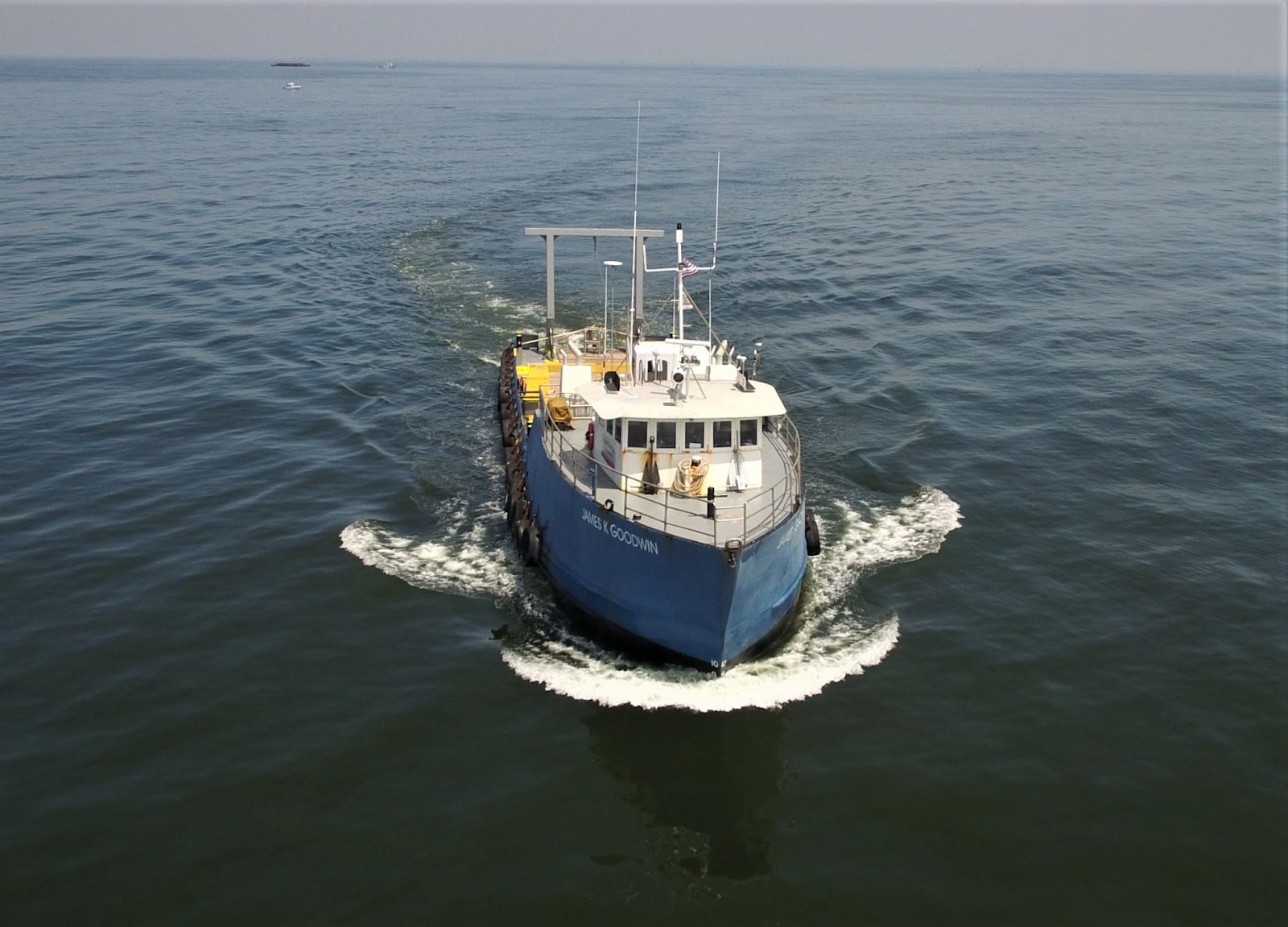
When the waves get wild and the seas turn unpredictable, there’s a group of unsung heroes that stand ready to answer the call. We’re talking about emergency vessels, the real-life superheroes of the open waters. They play a vital role in ensuring offshore safety and rescuing those in need. In this article, we’ll dive into the incredible world of these vessels, uncovering their amazing capabilities and the essential role they play in maritime safety. If you’re curious about the thrilling work of emergency vessels and want to learn more, this blog is your ticket to the heart of the action. Explore the high-stakes world of offshore operations and get to know these maritime lifesavers better. And, for more information on the services we provide in offshore safety and support, check out our website.
The Importance of Emergency Vessels to Offshore Safety
Offshore workers take on immense risks to ensure that essential operations continue to keep our global economy afloat. With the possibility of hazardous weather and other unforeseen events that can occur at sea, the need for a dedicated emergency response team is crucial. In this blog, we’ll be discussing the importance of emergency vessels and how they can help ensure the safety of those working in the offshore industry. We’ll cover topics such as the different types of vessels available for emergency response and how they are used in rescue operations. Finally, we’ll discuss the importance of proper training and maintenance to ensure the success of these vital vessels.
Overview of Offshore Safety
Offshore safety is the practice of protecting personnel, assets, and the environment from potential threats, including natural and man-made disasters. The goal of offshore safety is to ensure the safety of personnel and assets located in offshore areas, such as oil and gas rigs, and to protect the environment from any potential harm. Offshore safety is achieved through a combination of prevention, preparedness, response, and recovery measures.
In order to ensure the safety of personnel and assets, emergency vessels are a key component of offshore safety. Emergency vessels are boats or ships that are able to respond quickly to any potential emergency or disaster. They are used to transport personnel and equipment between locations, carry out rescue operations, and provide medical care and support.
Types of Emergency Vessels
Emergency vessels come in a variety of shapes and sizes, depending on the needs of the operation. Common types of emergency vessels include lifeboats, patrol boats, rescue boats, and medical support vessels. Lifeboats are designed to quickly evacuate personnel from offshore platforms and vessels. Patrol boats are equipped with search and rescue capabilities, and are primarily used to monitor offshore areas and protect personnel and assets. Rescue boats are equipped with specialized equipment and personnel to rescue personnel in distress or perform search and rescue operations. Medical support vessels are equipped with medical personnel and equipment to provide medical care and support in the event of an emergency.
In addition to these types of vessels, many offshore operations also employ unmanned aerial vehicles (UAVs) and remotely operated vehicles (ROVs) to enhance their offshore safety operations. UAVs are unmanned aerial vehicles that are used for surveillance and reconnaissance operations. ROVs are unmanned underwater vehicles that are used to monitor and inspect underwater structures and vessels.
Benefits of Emergency Vessels
Offshore emergency vessels are a critical component of safety and preparedness for oil and gas exploration and production operations. The vessels provide a fast, reliable and safe platform for emergency response and evacuation operations if an emergency situation arises. Emergency vessels play an important role in ensuring that personnel and equipment are safely and quickly removed from dangerous situations.
The use of emergency vessels can help reduce the risk of loss of life, reduce the cost of emergency response and provide an efficient means of evacuation in the event of an emergency. In addition, the vessels are designed to be robust and durable, allowing them to withstand harsh weather conditions, and provide a safe and reliable platform for emergency response and evacuation.
The vessels are also designed to provide a high level of safety and security for personnel and equipment. The vessels feature advanced navigation and communication systems, along with a variety of safety and security features, such as fire suppression systems, collision avoidance systems and emergency lighting systems.
The use of emergency vessels also provides a cost-effective means of emergency response and evacuation. The vessels are designed to be highly maneuverable and able to reach difficult locations quickly and safely. The vessels are often equipped with an array of specialized equipment, such as medical equipment, water pumps, firefighting equipment, and communications equipment, to enable rapid response and evacuation.
Emergency vessels can also be used to support other operations, such as search and rescue operations, environmental monitoring, and scientific research. The vessels can be used to transport personnel, goods, and equipment, or to provide a platform for observation or other activities.
Challenges of Emergency Vessels
The use of emergency vessels can present a number of challenges. The vessels must be specifically designed and constructed to meet the needs of the offshore environment and operations. The vessels must also be certified to meet all applicable safety standards and regulations.
The vessels must also be maintained and operated in accordance with the manufacturer’s specifications. The vessels must also be inspected on a regular basis to ensure that they are in a safe and reliable condition. The vessels must also be equipped with all necessary safety and communication equipment, and the crew must be properly trained and certified in the use of the vessels.
In addition, the vessels must be able to respond quickly and safely to a variety of emergency situations. The vessels must be able to reach difficult locations quickly and safely, and they must be able to operate in a variety of harsh weather conditions.
Finally, the vessels must be properly insured and registered in order to be used for emergency response and evacuation operations. The insurance and registration requirements vary depending on the country and region in which the vessels are operating.
Regulatory Requirements for Emergency Vessels
The safety of offshore operations is of the utmost importance, and emergency vessels are an essential tool for ensuring safety in the event of an accident or emergency. In order to ensure that emergency vessels can safely and effectively carry out their duties, regulatory bodies have established certain requirements for their construction, operation, and maintenance.
In order to be considered fit for use, emergency vessels must meet certain standards of safety and seaworthiness. This includes requirements for the vessel’s hull, its propulsion system, its navigational and communication systems, its safety equipment, and the training of its crew. The vessel must also be equipped with certain lifesaving equipment, such as lifeboats, life rafts, and other survival gear. Additionally, the vessel must be certified by the relevant authority, and any changes in its design or operation must be approved.
Emergency vessels must also meet certain operational requirements. This includes the ability to respond to an emergency within a certain timeframe, as well as necessary maneuvering and navigation capabilities. Additionally, the vessel must be capable of operating in various weather and sea conditions, and must have the capacity to carry out multiple tasks. Finally, the vessel must have sufficient fuel capacity to reach and remain on-site for an extended period of time.
Examples of Successful Emergency Vessel Rescues
Emergency vessels play a vital role in protecting lives in offshore operations, and there have been multiple examples of successful rescues involving emergency vessels. In 2018, two emergency vessels were dispatched to rescue a fishing boat that had become entangled in a large net. The vessels were able to free the boat and bring it to safety without any injuries.
In 2019, an emergency vessel was sent to rescue a cargo vessel that had become disabled in the middle of a storm. The vessel was able to reach the disabled vessel and provide assistance to its crew. This allowed the crew to make it safely to shore.
In 2020, an emergency vessel was dispatched to rescue an injured worker from an offshore drilling rig. The vessel was able to reach the rig quickly, and the injured worker was safely transported to shore for medical attention.
These examples demonstrate the importance of emergency vessels in protecting lives in offshore operations. Emergency vessels provide an essential tool for responding to accidents and emergencies quickly and effectively, and can make a tremendous difference in the outcome of such incidents.
Conclusion
Offshore safety is an important and critical factor in ensuring that vessels, personnel, and infrastructure remain safe and secure. Emergency vessels, which are specially designed and equipped to respond to emergency situations, are an important part of this safety. They provide a quick and effective response to an emergency situation, ensuring that personnel and equipment are quickly rescued and taken to safety.
These unsung heroes navigate through challenging conditions, responding to distress calls and saving lives on the high seas. Their remarkable capabilities and unwavering commitment make them the real-life superheroes of the maritime world. As we’ve explored in this blog, understanding the crucial contribution of emergency vessels sheds light on the high-stakes, thrilling world of offshore operations. To stay updated on the latest developments and services in offshore safety and support, be sure to visit us today. The seas may be unpredictable, but with emergency vessels on standby, safety and rescue are never far away.


